Beat Wrist Fatigue After Hours of Quoting and Invoicing
What this fixes for you
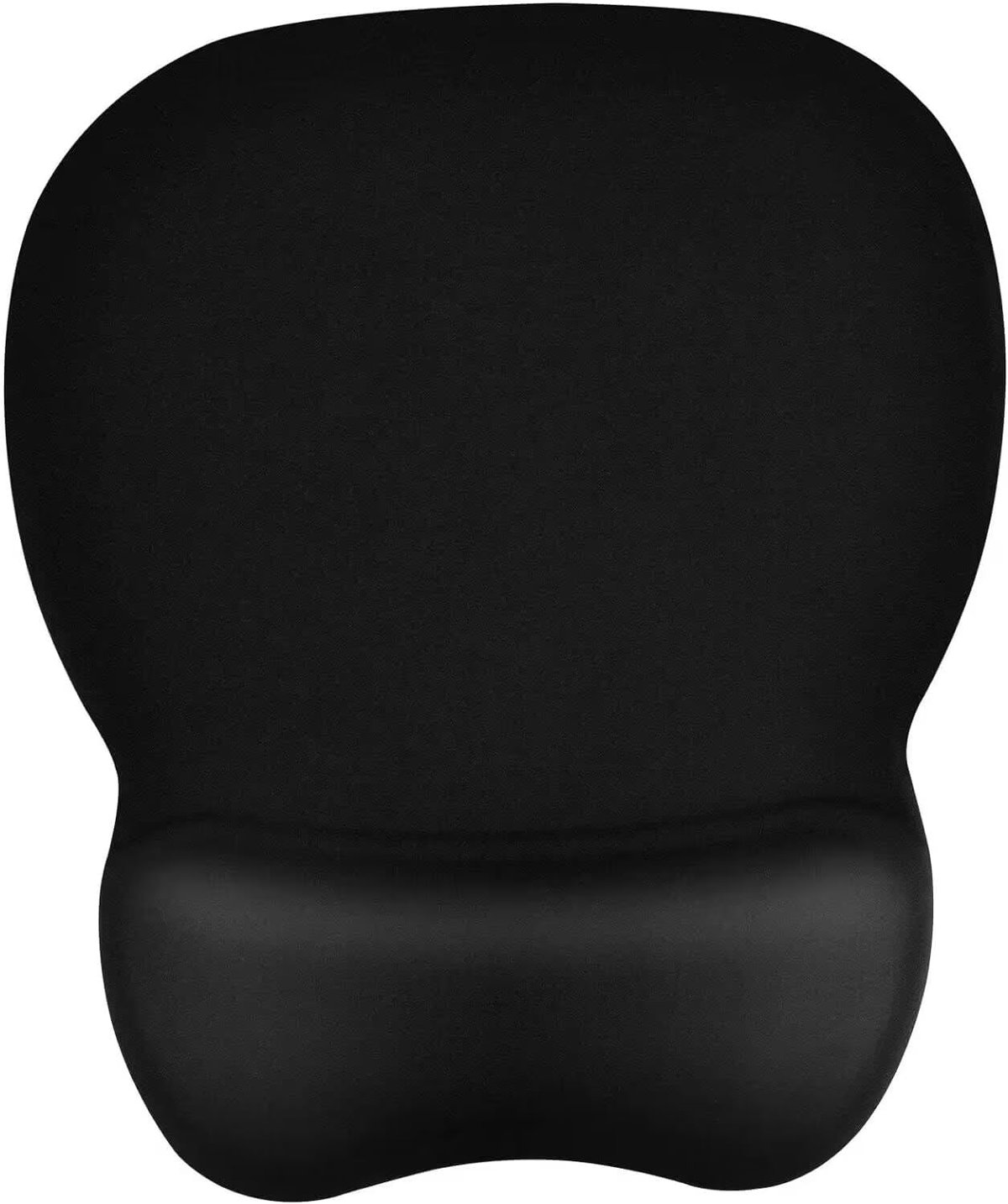
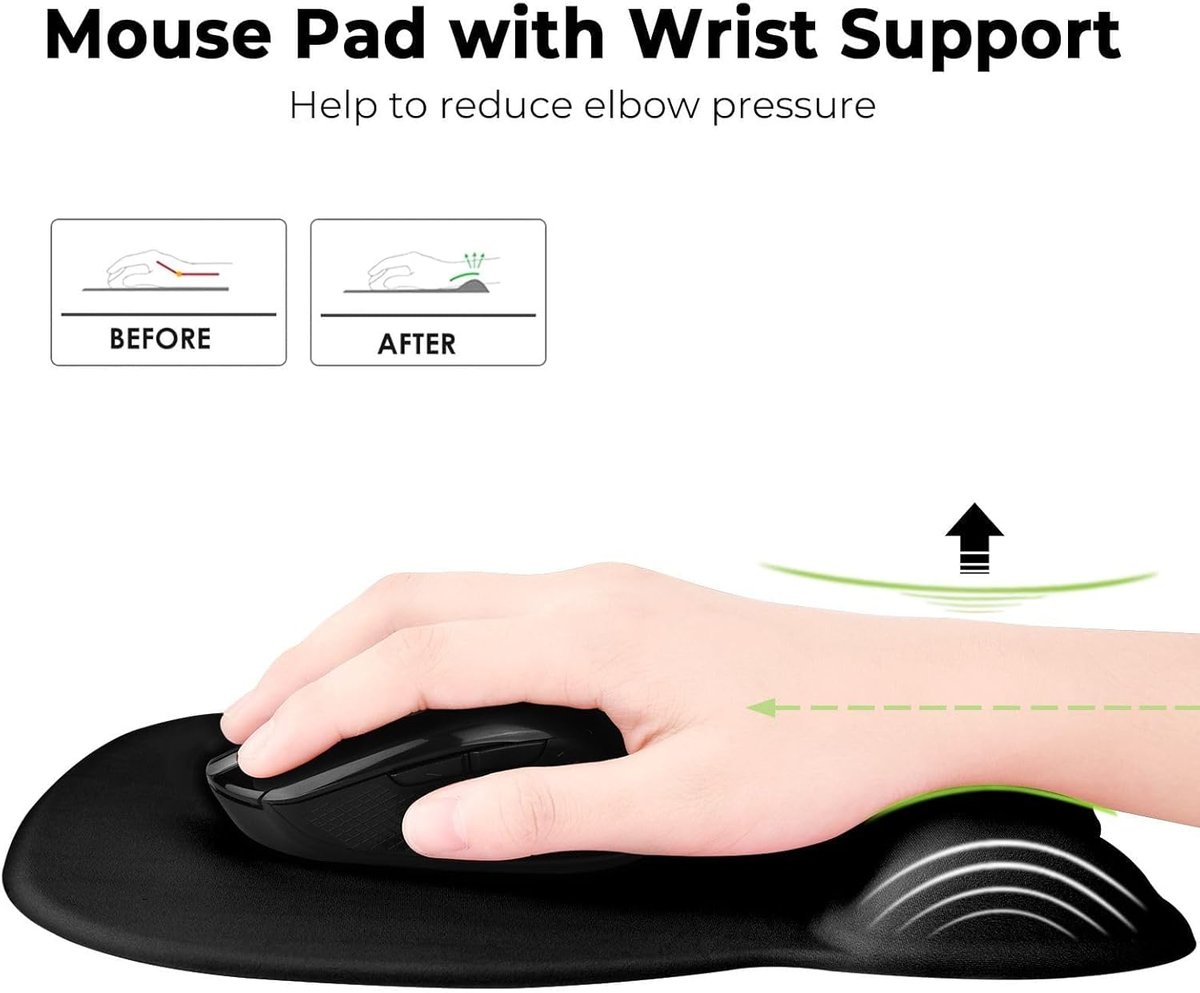
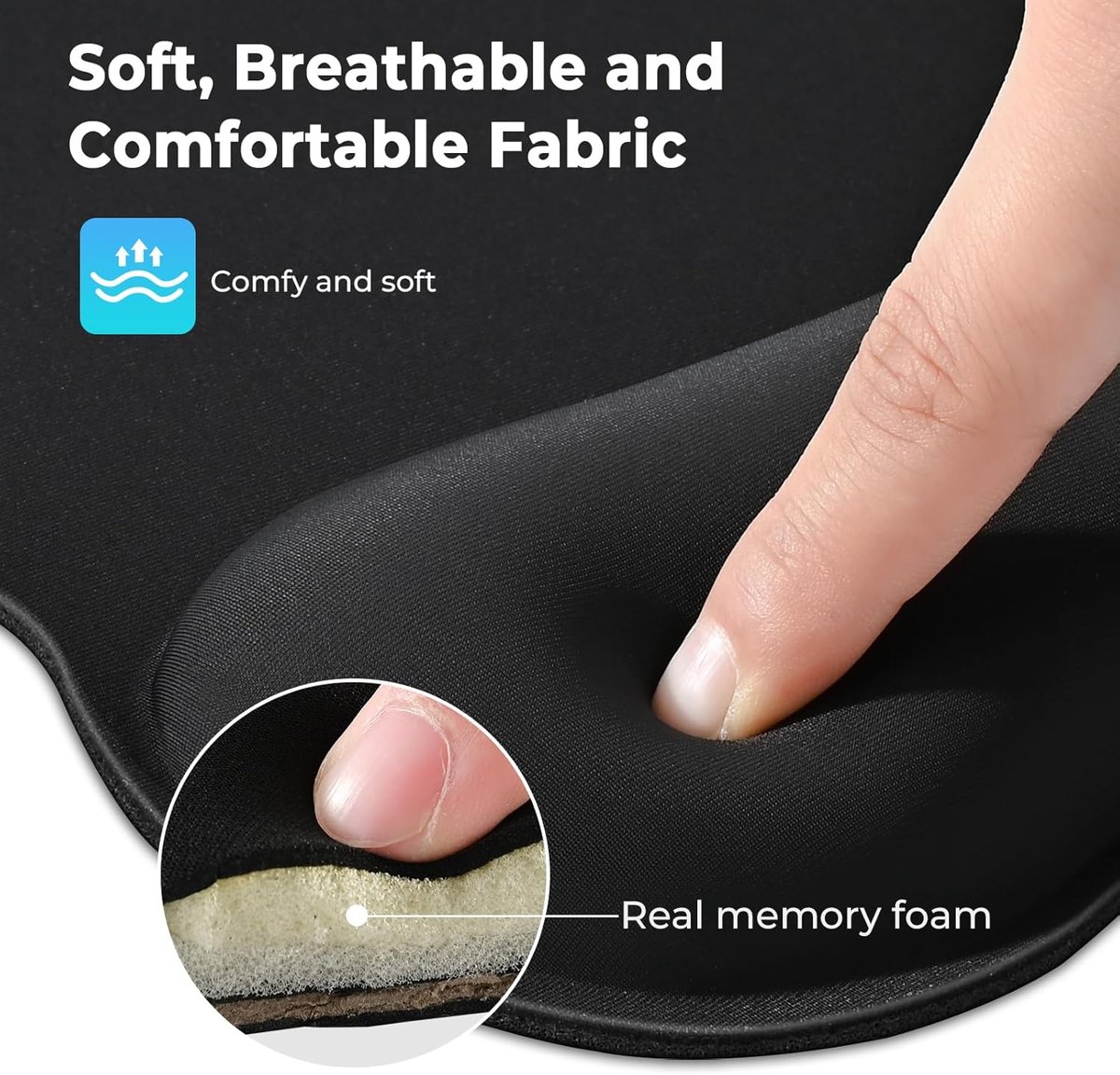
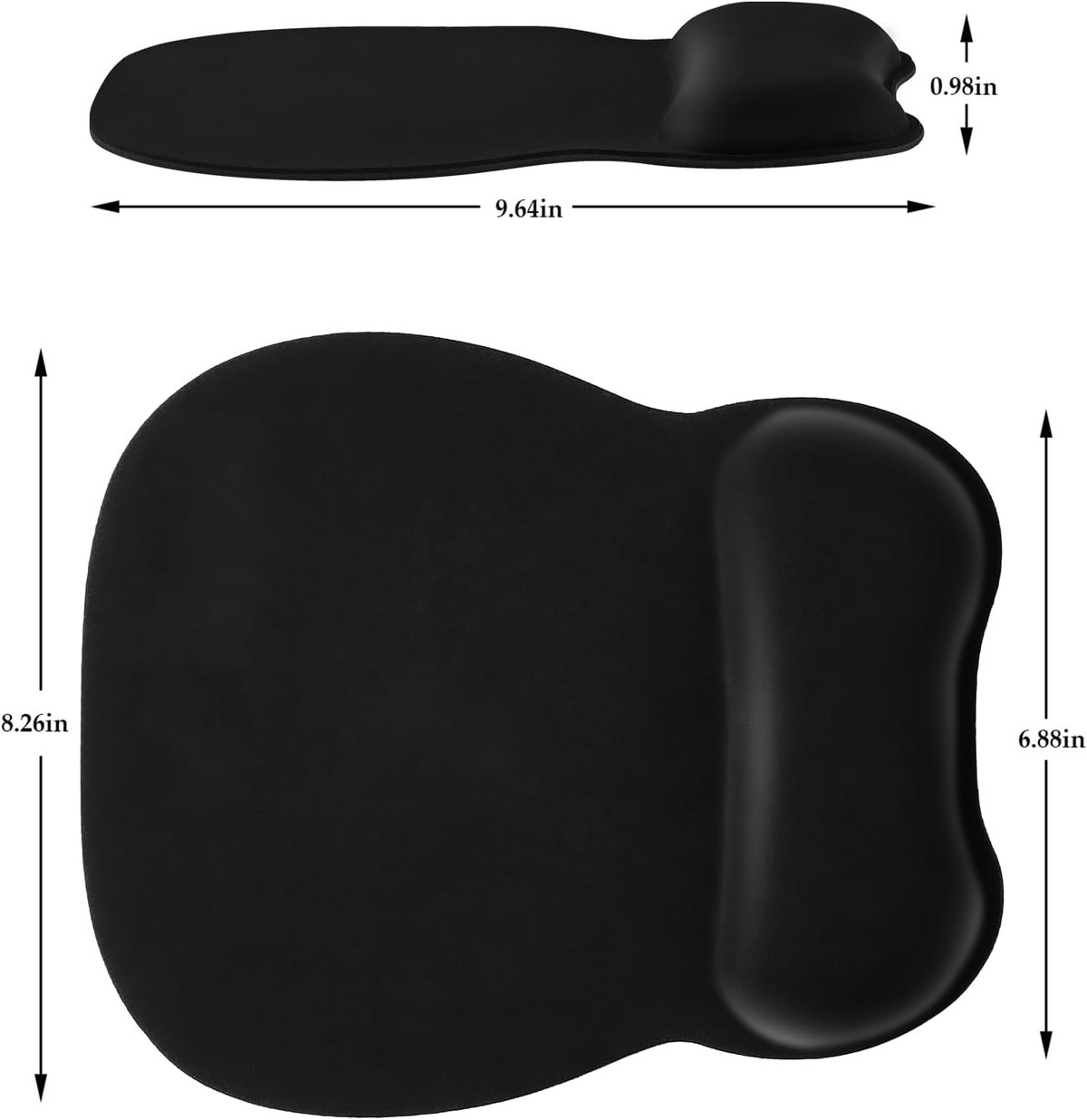
If you're spending hours at a desk quoting jobs, processing invoices, or managing schedules through platforms like ServiceM8 or Tradify, wrist fatigue sneaks up fast. That dull ache after a long admin session isn't just uncomfortable—it slows you down and can lead to repetitive strain issues over time. The EooCoo Ergonomic Mouse Pad with memory foam wrist support keeps your wrist in a neutral position while you work, reducing pressure on the carpal tunnel area. It's a simple, cheap fix that makes those unavoidable desk hours more sustainable, whether you're in a home office, site shed, or shared workspace.
Before first use
- Remove all packaging and let the memory foam expand for 10–15 minutes—it's typically compressed during shipping and needs time to reach full loft.
- Check the non-slip rubber base for any protective film or residue that might reduce grip on your desk surface.
- Wipe down the fabric surface with a dry cloth to remove any dust from manufacturing or transit.
- Position your desk chair and monitor height correctly—the mouse pad helps, but your overall ergonomic setup matters more.
- No registration, firmware, or batteries required. This is plug-and-play gear in the truest sense.
First-time setup
- Clear your desk space and decide on placement. Most right-handed users position the pad directly to the right of their keyboard, with the wrist rest closest to the desk edge.
- Place the mouse pad flat on a hard, clean surface. The non-slip base works best on wood, laminate, or metal desks—textured surfaces may reduce grip.
- Set your mouse on the pad and adjust its position so your wrist rests naturally on the memory foam without forcing your hand up or down.
- Check that your forearm is roughly parallel to the floor when using the mouse. If not, adjust your chair height rather than hunching.
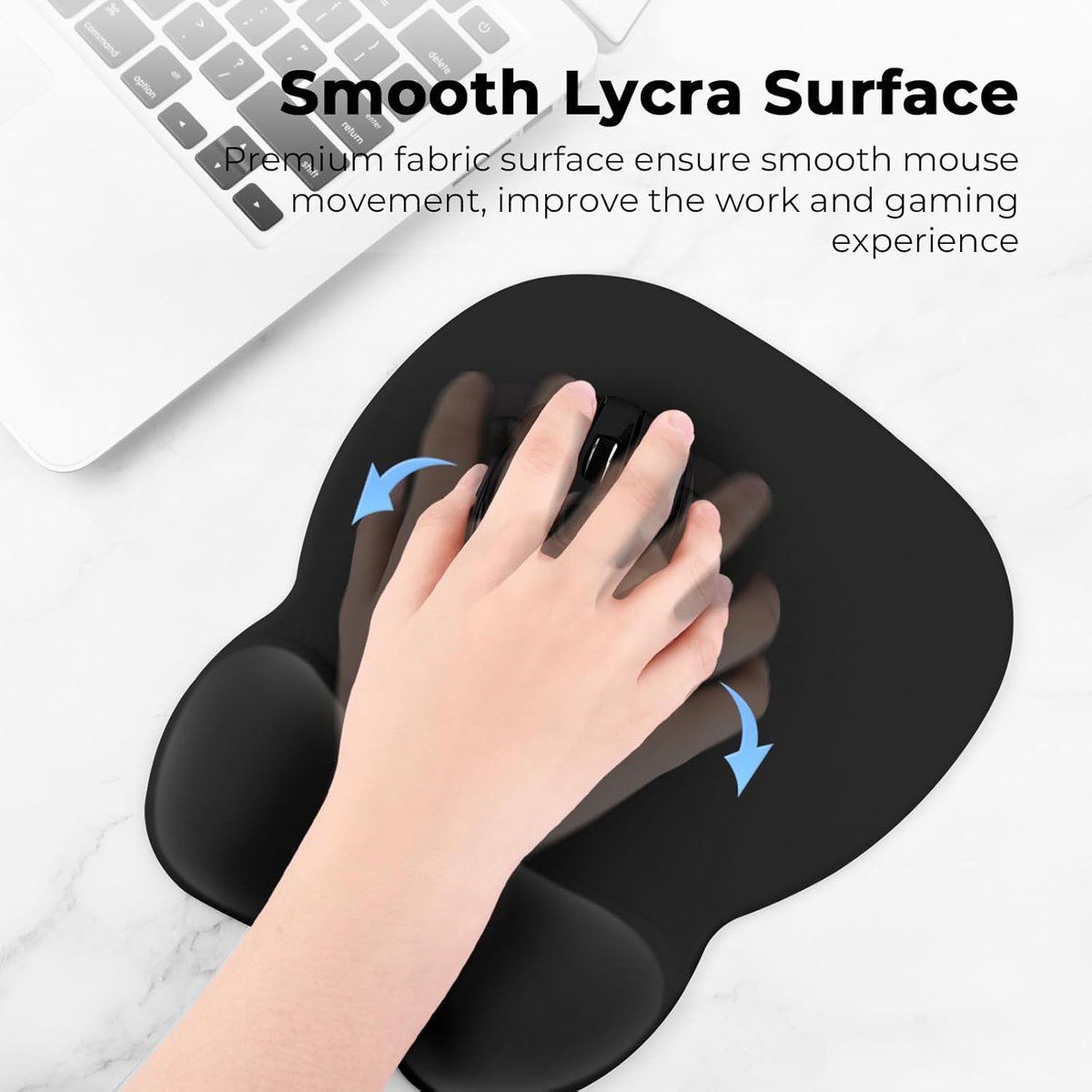
- Do a few test movements—click, scroll, drag—to confirm the mouse tracks smoothly across the pad's surface.
Daily-driver tips
- Let your wrist float, don't press down. The foam is there to support light contact, not to bear your arm's full weight. Pressing hard defeats the ergonomic benefit and wears out the foam faster.
- Keep it clean weekly. Dust, crumbs, and skin oils accumulate on the fabric surface, which can affect mouse tracking and hygiene. A quick wipe with a barely damp cloth does the job.
- Pair it with short breaks. Even the best wrist support won't prevent strain if you're locked in position for three hours straight. Set a timer to stand and stretch every 45–60 minutes.
- Position matters more than the pad itself. If you're reaching across your desk or twisting your shoulder to use the mouse, a wrist rest won't fix the underlying problem. Keep the pad close to your body.
- Works for both optical and laser mice. The smooth fabric surface should track reliably with most modern mice, though very high-DPI gaming sensors may prefer a dedicated tracking surface.
Common pitfalls
- Using it on an uneven or soft surface. If you're working off a couch cushion or a cluttered desk with papers underneath, the non-slip base can't grip properly and the pad will shift mid-use.
- Expecting it to cure existing injuries. If you already have diagnosed carpal tunnel syndrome or serious wrist pain, a mouse pad is not medical treatment. See a physio and consider a vertical mouse as well.
- Placing your whole forearm on the rest. The foam is sized for wrist support only—resting your full forearm on it compresses the foam unevenly and puts your hand at an awkward angle.
- Machine washing the pad. Most memory foam mouse pads aren't designed for the washing machine. Spot clean only, or you risk deforming the foam and ruining the non-slip backing.
Maintenance and longevity
Memory foam mouse pads are low-maintenance, but a few habits extend their lifespan. Wipe the fabric surface weekly with a lightly damp microfibre cloth and let it air dry completely before use. If the pad develops a stain, use a tiny amount of mild soap on the cloth—avoid soaking the foam itself, as it retains moisture and can develop odour or mould if not dried properly.
Store the pad flat when not in use. Rolling or folding it repeatedly can create permanent creases in the foam, reducing its support. In a typical office environment with daily use, expect the memory foam to maintain good support for 12–18 months before it starts to compress permanently. If you're heavy-handed or the pad sees constant use in a busy workshop office, that timeframe may shorten.
When to upgrade or replace
Replace the pad when the memory foam no longer springs back after you lift your wrist, or when you notice a permanent indentation where your wrist usually sits. If the fabric surface becomes worn smooth or frayed, mouse tracking can suffer—that's another signal it's time for a new one. At under $15, this isn't a product worth nursing along once it's past its prime. If you find yourself wanting more wrist elevation or a larger mousing surface, consider stepping up to a full desk mat with an integrated gel wrist rest, or pairing this pad with an ergonomic vertical mouse for a more complete solution to wrist strain.