Need More Than a Cheap Hygrometer? Smarter Picks Under the Pump
Why look at alternatives?
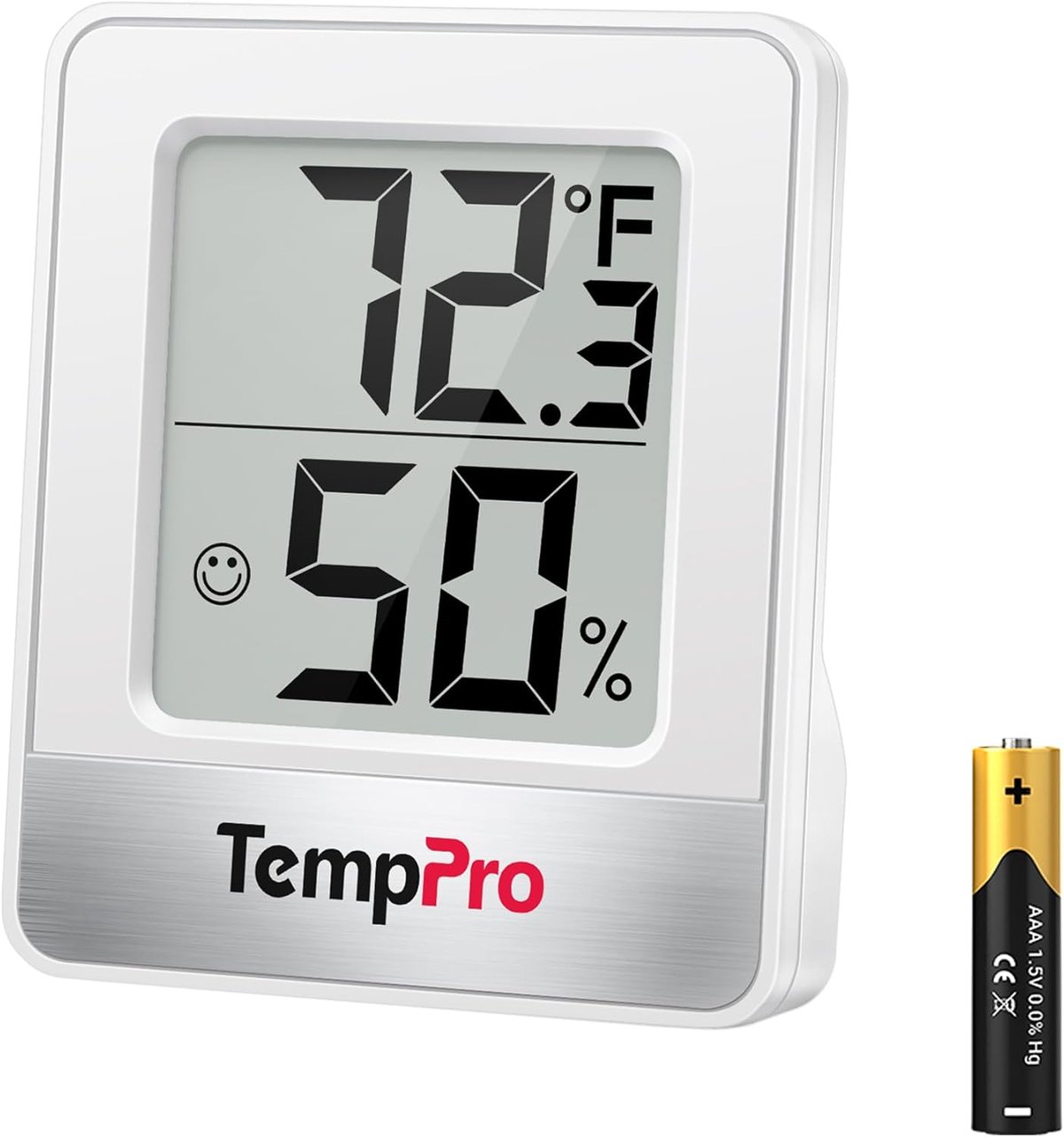
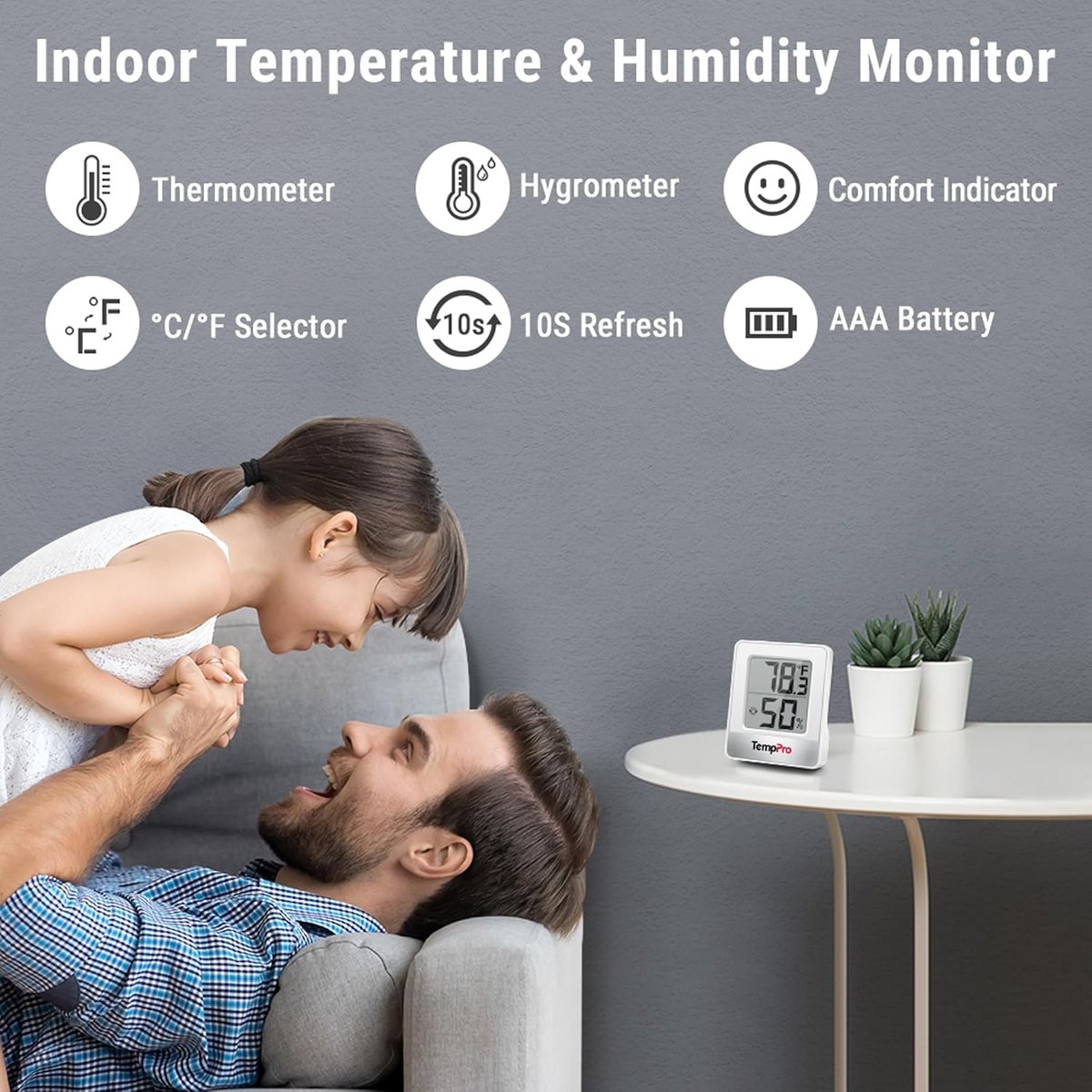
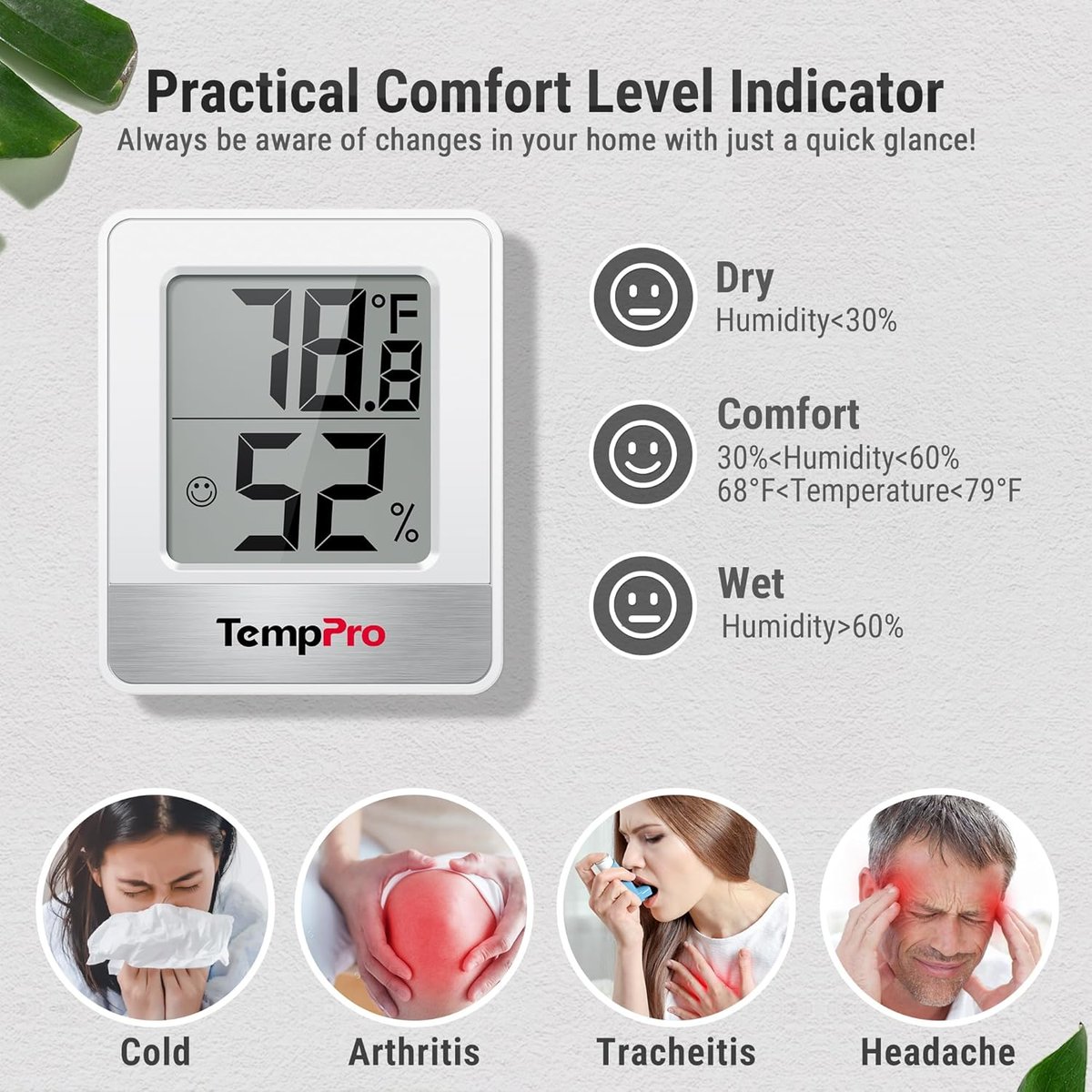
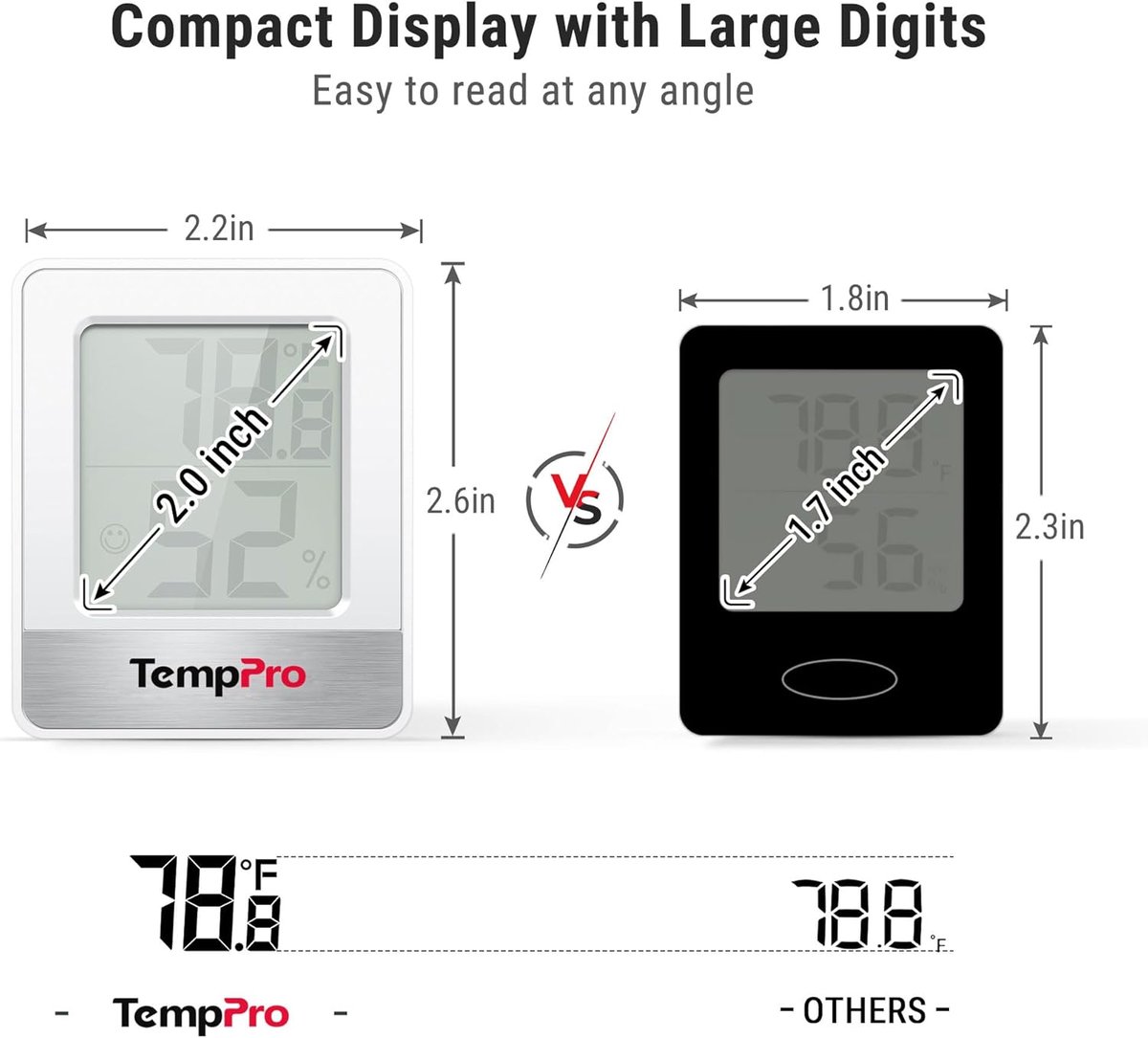
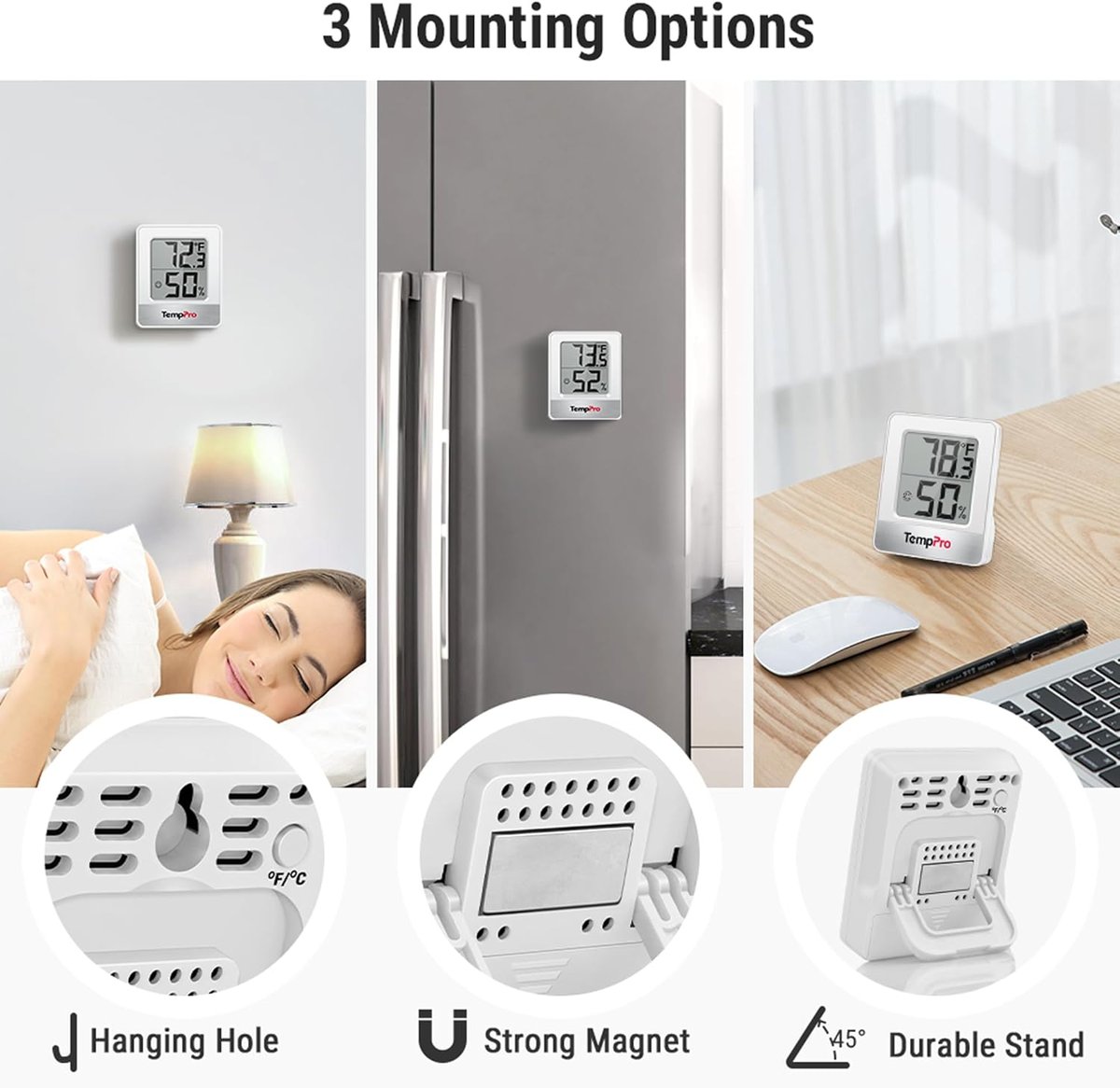
The TempPro TP49 is a solid budget hygrometer that does one job well: showing you the current temperature and humidity on a clear digital display. At under $15, it's hard to argue with the value. But there are good reasons you might want something different. If you need to monitor conditions remotely — say, checking a shed or server room from your phone — the TP49 won't help. If you want historical data logging to prove compliance or track trends, you'll need to step up. Some tradies need multiple sensors feeding one dashboard, or a device that sends alerts when humidity spikes. And if you're working in harsh conditions, a basic indoor unit might not survive the environment. The TP49 is a capable entry point, but it's worth knowing what else is out there before you commit.
Alternative 1: Wi-Fi connected smart hygrometer
Smart hygrometers connect to your home or site Wi-Fi and let you check readings from an app on your phone. Brands like Govee, SwitchBot, and Xiaomi offer units in the $30–$60 range that provide real-time monitoring, push notifications when readings go outside your set range, and historical graphs you can export. For tradies managing drying times on concrete pours or painters monitoring coating conditions across multiple rooms, the remote access is genuinely useful.
When to choose it
- You need to monitor conditions when you're not on site
- You want alerts sent to your phone if humidity or temperature spikes
- You're tracking environmental data for compliance or client reporting
The tradeoff
You'll need reliable Wi-Fi coverage where the sensor sits, which rules out remote sheds or sites without internet. Setup takes longer than simply placing a standalone unit. Battery life is typically shorter due to wireless transmission, and you're now dependent on an app that may change or lose support over time.
Alternative 2: Bluetooth hygrometer with data logging
Bluetooth hygrometers sit between basic units and full Wi-Fi smart sensors. They store readings locally and sync to your phone when you're within range — typically 10 to 30 metres. Products from Govee, Inkbird, and SensorPush fall into this category, usually priced around $25–$50. They're popular for monitoring tool storage, caravans, or drying rooms where you visit regularly but don't need 24/7 remote access.
When to choose it
- You want historical data without needing constant Wi-Fi
- You're monitoring a space you visit daily anyway
- You want better accuracy than budget standalone units typically offer
The tradeoff
No real-time alerts unless you're in Bluetooth range. If something goes wrong overnight, you won't know until you arrive. The app dependency remains, and some cheaper Bluetooth units have inconsistent connection quality.
Alternative 3: Professional-grade handheld hygrometer
If you're a builder doing moisture inspections, a plasterer checking wall conditions, or an HVAC tech commissioning systems, you probably need a proper handheld instrument. Brands like Fluke, Testo, and Extech make units in the $80–$300 range with faster response times, higher accuracy (often ±2% RH or better), and the build quality to survive life in a tool bag. Many include min/max hold, dew point calculation, and wet bulb readings.
When to choose it
- Accuracy matters for compliance, warranties, or professional reports
- You're taking spot readings in different locations throughout the day
- You need a rugged unit that handles job site conditions
The tradeoff
These are measuring instruments, not monitors — they won't sit in a room and track conditions over time. The price jump is significant. For simple "is my shed too humid?" questions, they're overkill.
Alternative 4: Multi-sensor monitoring system
For businesses managing multiple spaces — warehouses, greenhouses, server rooms, or storage facilities — dedicated monitoring systems let you deploy several sensors feeding one central hub or cloud dashboard. Products from Govee, UbiBot, and various industrial suppliers offer this capability, typically starting around $100–$200 for a basic multi-sensor setup and scaling from there.
When to choose it
- You're monitoring three or more separate zones
- You need consolidated reporting for compliance or insurance
- Alert escalation (email, SMS, multiple contacts) is a requirement
The tradeoff
Setup complexity increases significantly. You're committing to a platform and its ongoing costs or subscriptions. For a single shed or office, this is unnecessary overhead.
Side-by-side comparison
| Option | Best for | Typical price (AUD) | Watch out for |
|---|---|---|---|
| TempPro TP49 (original) | Basic room monitoring, desktop use | $10–$15 | No remote access, no data logging, limited accuracy |
| Wi-Fi smart hygrometer | Remote monitoring with alerts | $30–$60 | Needs Wi-Fi coverage, app dependency |
| Bluetooth hygrometer with logging | Historical data without constant connectivity | $25–$50 | No real-time alerts when out of range |
| Professional handheld | Accurate spot readings for compliance | $80–$300 | Not for continuous monitoring, higher cost |
| Multi-sensor system | Managing multiple zones centrally | $100–$200+ | Complex setup, possible subscription costs |
Our pick for most tradies and small businesses
For most tradies who just want to keep an eye on workshop or storage humidity, the TempPro TP49 is genuinely hard to beat at its price point. Stick one in your shed, one in the van, one in the office — at $12 each, you can afford to. If you need to check conditions remotely or want alerts when things go wrong, step up to a Wi-Fi smart hygrometer — the extra $30–$40 buys real peace of mind for tool storage or moisture-sensitive materials. And if you're quoting on moisture-related work or need readings that'll hold up in a dispute, invest in a professional handheld from a recognised brand. The right tool depends on what you're actually trying to achieve: casual awareness, remote monitoring, or defensible measurements.