Spot Drying Conditions and Shed Humidity for Under 15 Bucks
Quick verdict
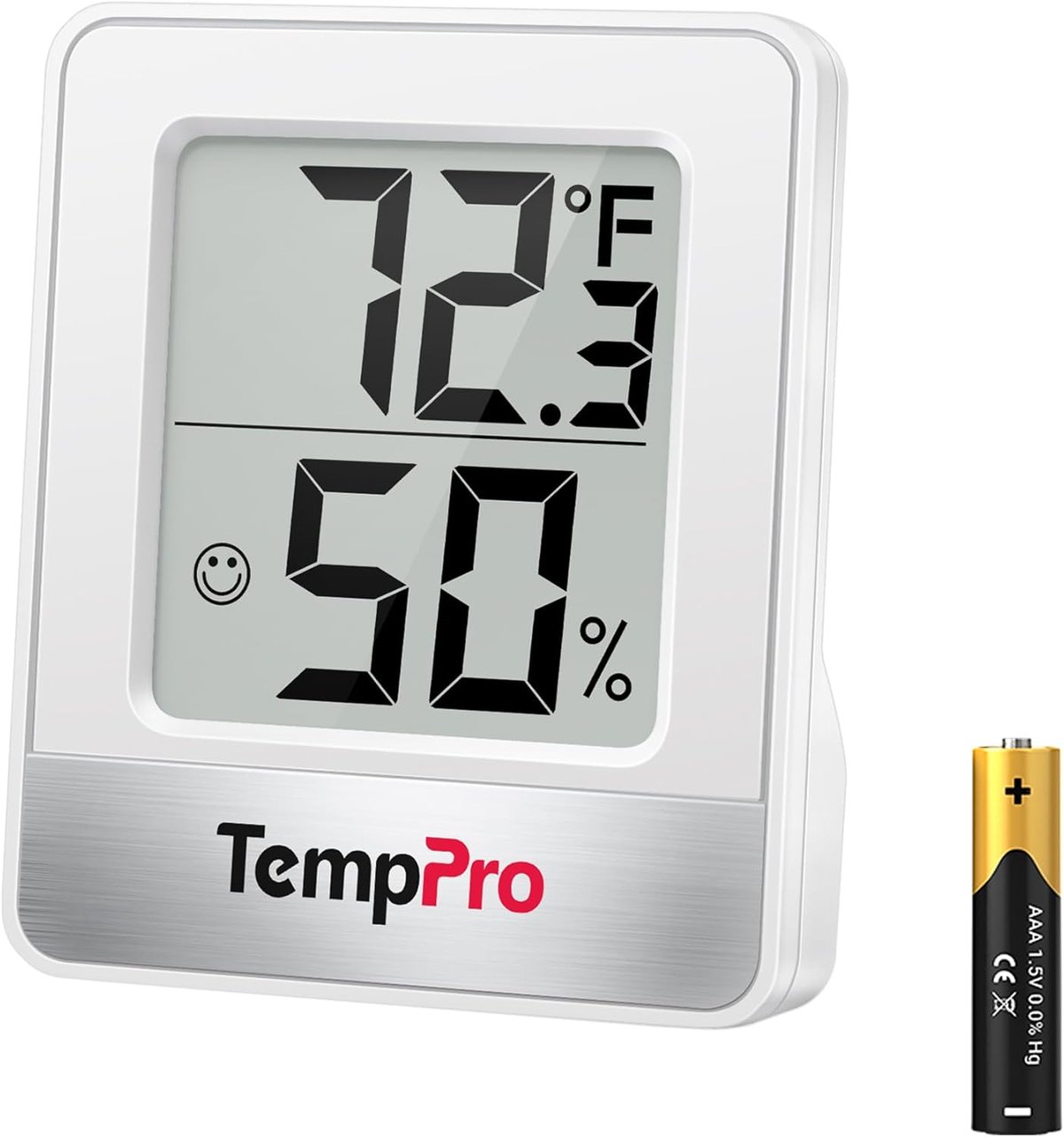
The TempPro TP49 is a no-fuss, budget-friendly hygrometer that does one job well: giving you a quick read on temperature and humidity. At under $15, it's ideal for tradies monitoring drying conditions, checking shed or van temperatures, or keeping tabs on humidity in storage areas. If you need data logging, alerts, or app connectivity, look elsewhere — but for a simple, reliable reference at a glance, this punches well above its price point.
What it is
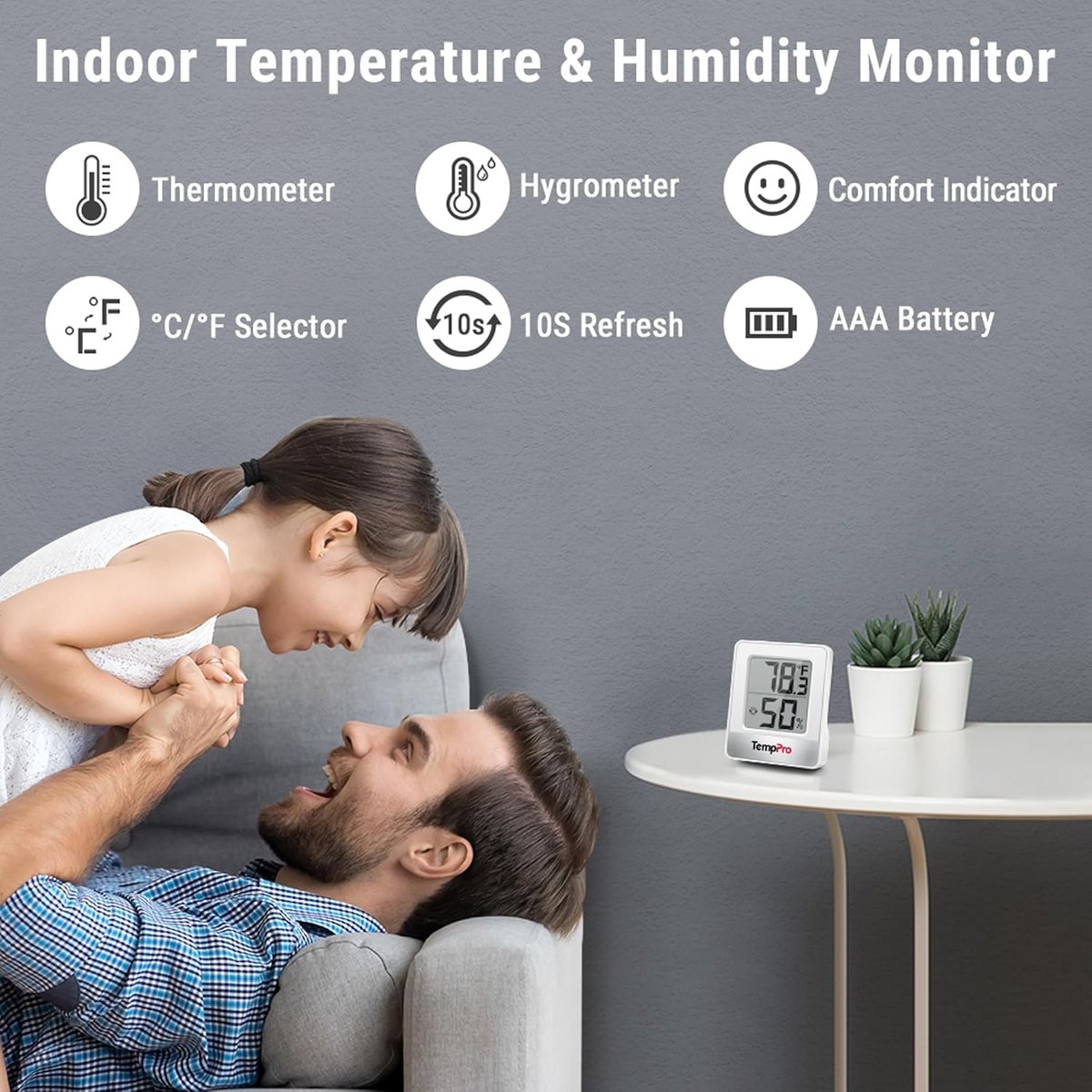
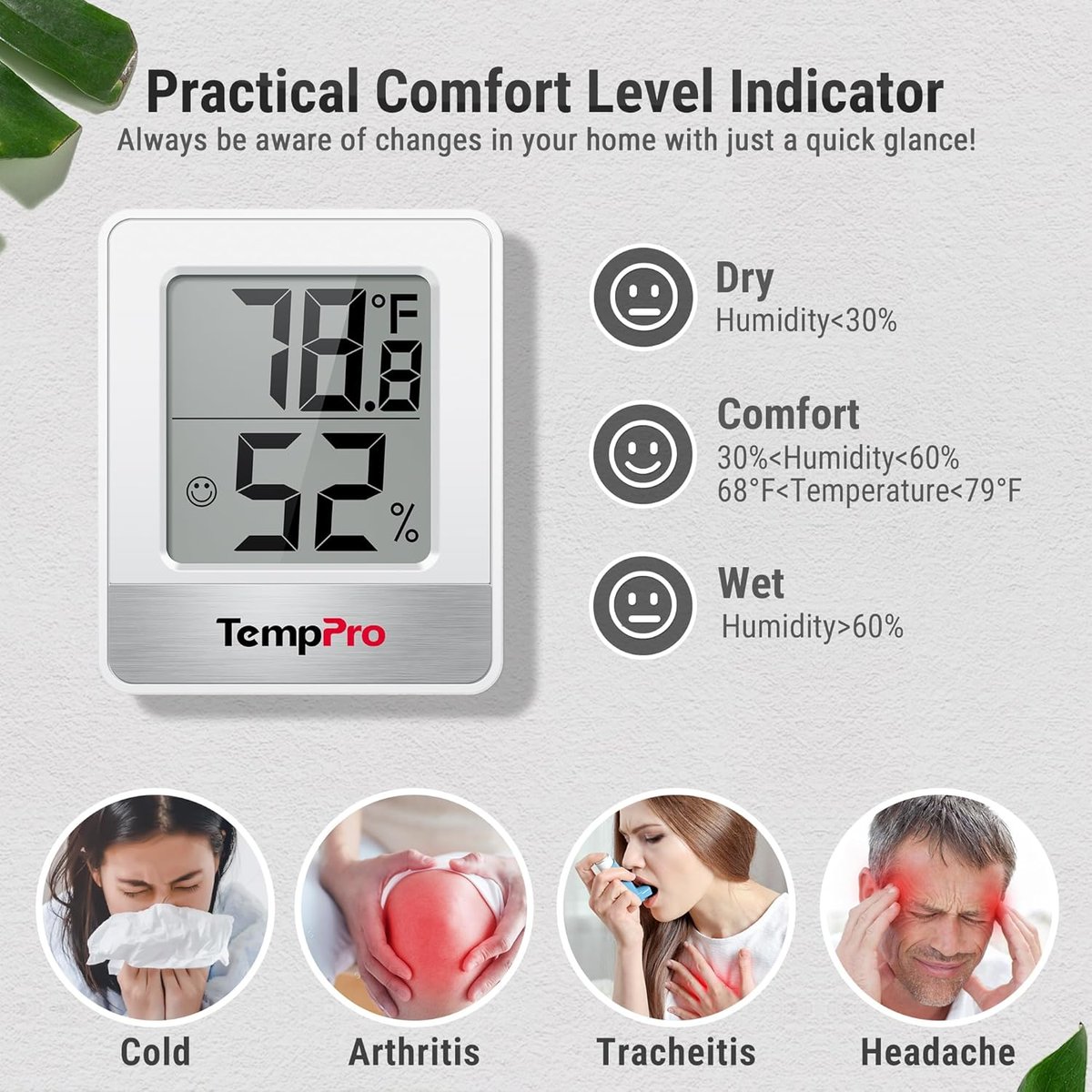
The TP49 is a compact digital hygrometer and thermometer in one unit. It displays the current temperature and relative humidity on a clear LCD screen, updating roughly every ten seconds. There's also a basic comfort indicator that tells you whether conditions are dry, comfortable, or wet — handy for quick decisions without doing the mental maths.
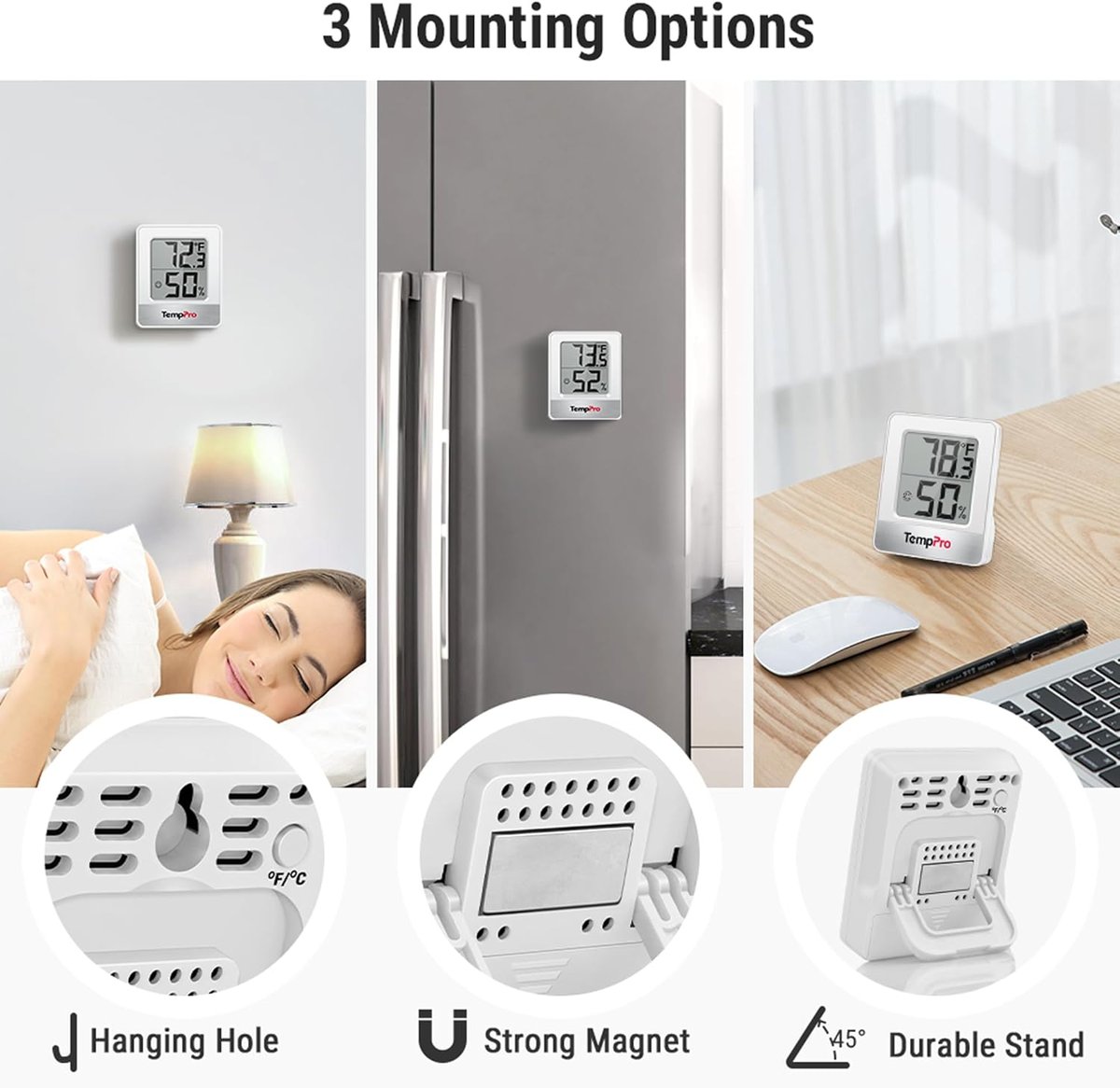
For tradies, this solves a practical problem: knowing whether conditions are right for painting, rendering, laying flooring, or curing concrete. For small-business owners, it's useful in server rooms, stockrooms, or anywhere you're storing humidity-sensitive gear or materials. The unit typically runs on a single AAA battery and can sit on a desk, hang on a wall, or attach magnetically to metal surfaces.
Key features
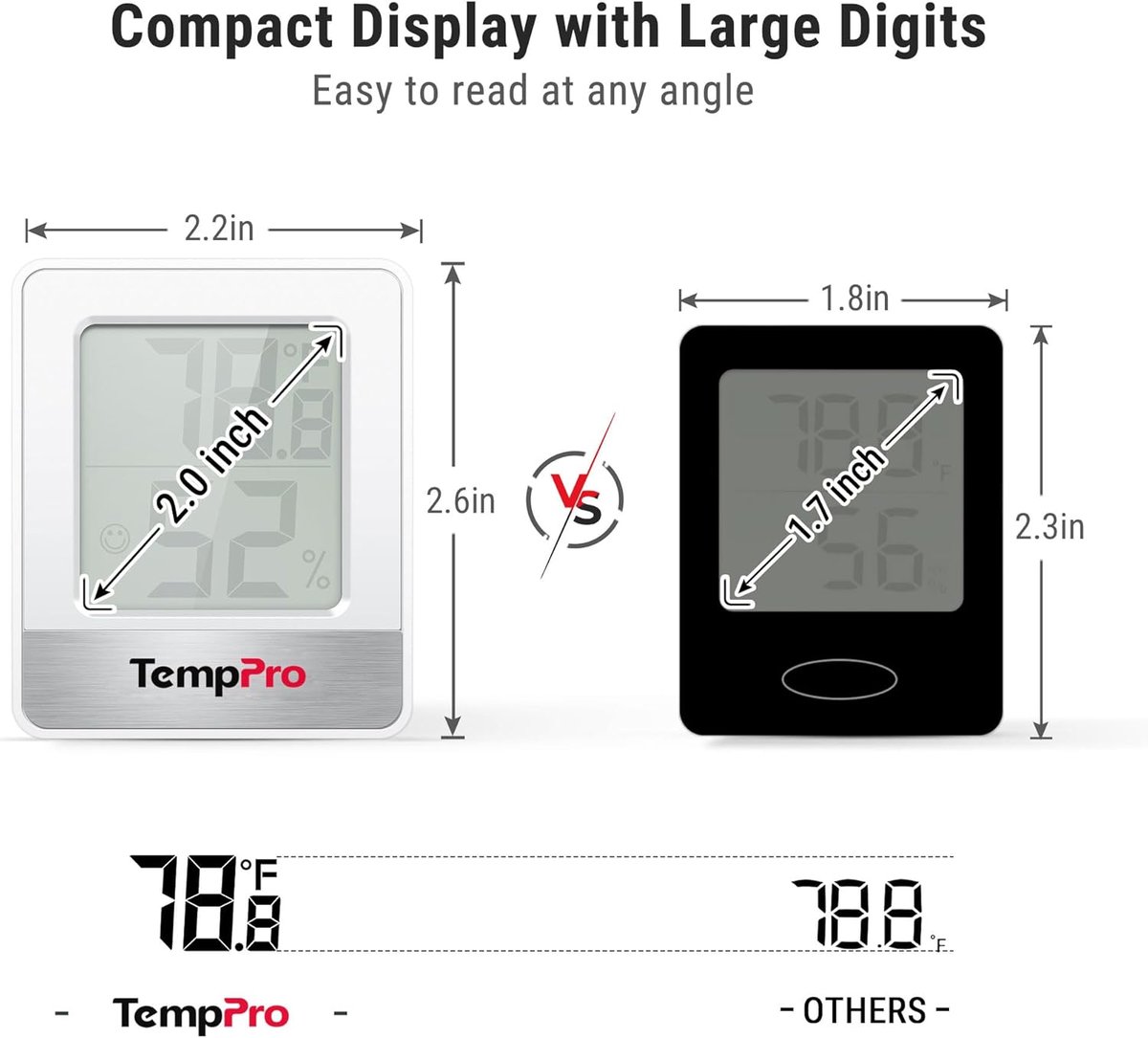
- Large, easy-to-read LCD display showing temperature and humidity simultaneously
- Temperature typically displayed in Celsius or Fahrenheit (switchable)
- Humidity range usually covers 20–90% RH with reasonable accuracy for consumer-grade units
- Comfort level indicator (dry/comfort/wet icons)
- Compact design — typically around 6–7cm across, fits in a pocket or toolbox
- Multiple mounting options: tabletop stand, wall-mount slot, and magnetic back are common on units in this class
- Powered by a single AAA battery, which typically lasts 12–18 months with normal use
- Refresh rate of approximately 10 seconds for updated readings
Pros
- Exceptional value: At under $15, you can buy several and place them in different locations — the van, the shed, the office, a client's drying room.
- Dead simple to use: No setup, no pairing, no apps. Pop in a battery and you're reading conditions within seconds.
- Highly portable: Small enough to toss in a toolbag or leave on a dashboard without it getting in the way.
- Proven reliability: With nearly 60,000 reviews and a 4.6-star rating, this unit has a track record. That volume of feedback suggests consistent quality control.
- Versatile mounting: Whether you want it on a shelf, stuck to a metal beam, or hung on a nail, it accommodates without extra accessories.
Cons and things to consider
- No data logging or history: It shows you what's happening now, not what happened overnight. If you need to prove drying conditions to a client or track trends, you'll need a more advanced unit with logging capabilities.
- Consumer-grade accuracy: Products in this price bracket typically have an accuracy of ±2–3°C and ±2–3% RH. That's fine for general monitoring but not for scientific or compliance work.
- No alerts or alarms: It won't beep if humidity spikes or temperature drops below a threshold. You have to physically check it.
- Small display may challenge some users: While the screen is clear, it's compact. In low light or from a distance, it can be harder to read than larger units.
Who it's best for
- Painters and plasterers checking whether a room is dry enough before the next coat.
- Floorers and tilers monitoring subfloor moisture conditions and ambient humidity before laying.
- Concreters keeping an eye on curing conditions in covered areas.
- Sparkies and data techs wanting a quick reference for comms room or switchboard enclosure conditions.
- Small-business owners monitoring stockrooms, warehouses, or anywhere you store paper, electronics, or perishables.
- Anyone who wants a cheap, reliable sanity check on temperature and humidity without fuss.
Who should look elsewhere
- Professionals needing documented proof: If you must provide humidity logs to builders, insurers, or compliance officers, you need a data-logging hygrometer — expect to pay $50–$150 for decent options.
- Remote monitoring needs: If you want alerts on your phone when conditions change (say, in a rental property or remote shed), you need a Wi-Fi or Bluetooth-connected unit.
- High-precision applications: Laboratory, food safety, or archival storage work requires calibrated instruments with tighter tolerances than this consumer unit provides.
Bottom line
The TempPro TP49 is the kind of tool that costs so little you almost forget you bought it — until you actually need it. For tradies wanting a quick reference on site conditions, or small-business owners keeping tabs on a stockroom, it delivers honest, instant readings without any learning curve or ongoing costs. It won't replace professional instrumentation when documentation matters, but for everyday awareness of your environment, it's a smart addition to any toolbox or office. At this price, grab two.